
Home Renovation: What You Should Know Before You Start
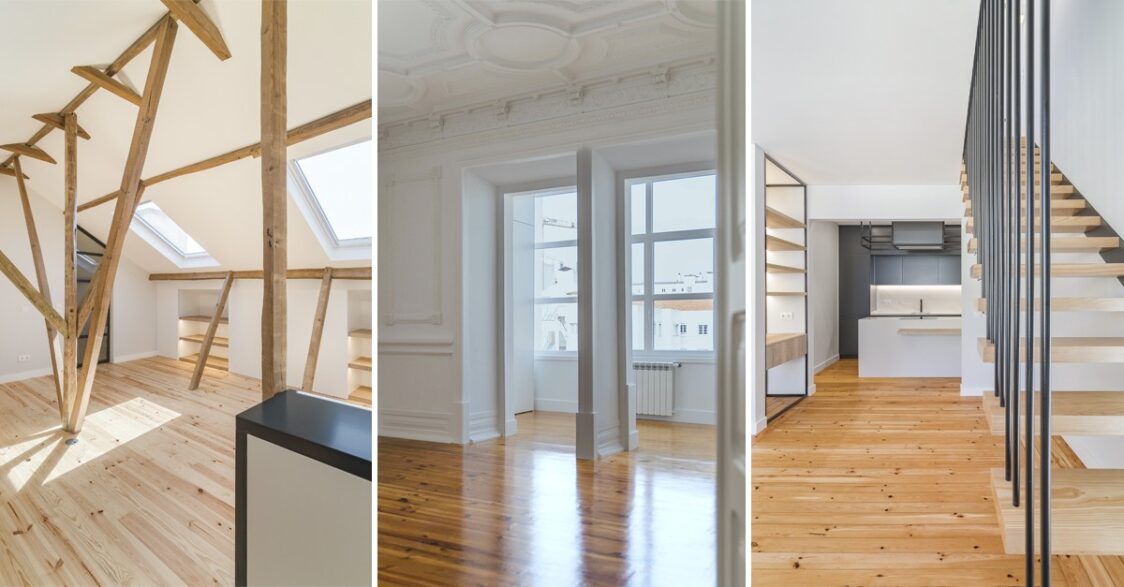
Deciding to start a renovation is the moment when most people feel two things at once: excitement and unease. Excitement at picturing the finished home, with more light, more space, finally the way they always wanted it. Unease because they have already heard the usual stories: the budget that doubled halfway through, the timeline slipping week after week, the dust that never seems to end, and the crew that vanished before finishing the job. And here is what matters most: almost every one of those problems is born before the first hammer falls, at the stage when nobody is paying attention. That is where a renovation is won or lost.
This guide takes you through everything worth knowing before you start, so that on the day of your first technical visit you already know exactly what to ask and what to insist on.
WHAT IS REALLY BEHIND THE WALL
Before you choose tiles or colours, it pays to look at what you cannot see. In a renovation, the result that lasts is not in the paint or the finish, it is in the preparation underneath. Old plumbing nobody opened up, a wall with hidden damp, wiring that no longer meets the standard. Covering these problems with a fresh coat is the quickest way to watch them return within a year, often once the work is already paid for.
A crew that knows its trade starts by diagnosing what sits below the surface. Only then does it talk about finishes. That is the difference between a renovation that looks good on handover day and one that still looks good five years later.
THE FIRST STEPS BEFORE YOU PICK UP A TOOL
Good planning saves you money and sleepless nights. Before you request any quote, make sure three things are clear in your mind:
- Define the real goal. Will you live there yourself or rent it out? Do you just want to refresh the space or change its layout? The answer changes everything that follows.
- Set a budget with a margin. Always keep a reserve for the unexpected, because in a renovation, especially in an older property, something almost always turns up that was not in plain sight.
- Think through the phases and the right order. Works follow a sequence: demolition, services such as water and electricity, levelling of walls and floors, and finishes only at the end. Skipping stages is the shortest route to redoing work.
If you are starting with a specific space, it is worth seeing how we approach the renovation of apartments and houses and villas, where each type of property calls for a different approach.
THE ROOMS THAT NEED THE MOST ATTENTION
Not all rooms cost the same, and not all carry the same risks. Two of them take up the largest share of the budget and the largest share of the risk: the kitchen and the bathroom.
A kitchen renovation involves plumbing, electrics, ventilation and surfaces that must withstand heat and moisture for years. A mistake in the preparation here shows quickly. The bathroom is the room where waterproofing decides everything: a poor job under the tiles turns into leaks reaching the neighbour below, and what seemed like a saving becomes the most expensive line in the whole house.
This is why we place so much weight on what stays hidden. It is precisely in these rooms that preparation earns its keep.
PERMITS, TIMELINES AND COST: WHAT TO EXPECT
Three questions always come up, and it is better to answer them early than midway through the work.
On permits, it depends on the type of intervention. Interior works that do not touch the structure, the facade or the floor area usually need no council permit, but changes to load-bearing structures or to the facade require prior notice or a project approved by the local council (câmara municipal). It is always worth confirming this before you begin.
On timelines, renovating a single room can take a few weeks, while a full renovation of an apartment stretches across several months. What causes a timeline to slip is almost never the work itself, it is poor preparation and materials that arrive late.
On cost, steer clear of anyone who gives you a round figure over the phone without seeing the space. An honest quote comes from a technical visit, with everything itemised and no figures that appear later. That is how you avoid a surprise midway through the job.
HOW TO CHOOSE WHO DOES THE WORK
This is perhaps the most important decision of all. A good project in the hands of the wrong crew is still a bad renovation.
Look for a company with its own crews, rather than a chain of subcontractors where nobody takes responsibility when something goes wrong. Ask to see previous work. Check whether the company gives a written guarantee, and for how many years. And trust your instinct: if the proposal is vague, the quote unclear and the answers evasive, the renovation will most likely be the same.
At Obra É Fácil we work in Lisbon, Setúbal and Coimbra with our own crews, 15 years of experience, more than 500 completed projects and a 5-year guarantee on every job. It all begins with a free on-site assessment, with no obligation and no hidden terms.
A well-run renovation should not be a source of stress. It should be the start of a better home. When you begin from the right side, with the preparation done properly and the right crew, the renovation stops being a risk and becomes exactly what you pictured. Get to know our work on the home page and book your free assessment. A renovation becomes easier when you take the first step in good hands.
Latest Insights
 Building Excellence, Delivering Dreams
Bring your vision to life with Obra É Fácil. We ensure a transparent process, professional rigor, and high-end results that stand the test of time.
Get a Free QuoteBook a free assessment and we’ll look at your space, tell you honestly what it needs and what it costs, and give you a clear plan to start from. No pressure, no obligation.
Get a Free Quote


